"The person who carefully designs their daily routine goes further than the one who negotiates with themselves every day." – Shane Parrish
Understanding Negotiation
The art of negotiation lies in understanding that there is something to give and something to gain. When you negotiate with someone, you are weighing the value of what you give against what you will earn. The essence of negotiation is in this act of “weighing the value” of the transaction.
The person who can gain more than what they give wins the negotiation. This interaction of giving and gaining is highly subjective, depending on the individual’s ability to assess the value of the components within the transaction.
The reason negotiation is often inefficient is because of the mental energy it requires and its inherent inconsistency. It relies on your ability to weigh value, which is heavily influenced by your current circumstances. For example, if you are thirsty, the value of a drink outweighs the value of a meal. It’s that simple.
However, in life, we are by default lazy and animalistic. The value of mediocrity and comfort has always been higher than the value of striving, enduring pain, and pursuing growth. Relying on our primal instincts to make daily decisions is a poor approach for long-term success due to their short-term, impulsive nature.
So, how can we improve this?
Designing Routine
First, of course, the best approach is to carefully design your daily routine. This idea is also discussed in Atomic Habits by James Clear, where he discusses the importance of designing routines to build habits:
“Habits do not restrict freedom. They create it. In fact, the people who don’t have their habits handled are often the ones with the least amount of freedom. Without good financial habits, you will always be struggling for the next dollar. Without good health habits, you will always seem to be short on energy. Without good learning habits, you will always feel like you’re behind the curve. If you’re always being forced to make decisions about simple tasks—when should I work out, where do I go to write, when do I pay the bills—then you have less time for freedom. It’s only by making the fundamentals of life easier that you can create the mental space needed for free thinking and creativity.”
It’s simple, minimalistic, and actionable.
But often, this approach skips an important phase in habits building. People don’t create habits out of desire alone. Before establishing habits, discipline is required to win the daily negotiation with yourself, consistently voting for the identity you want to become.
“Every action you take is a vote for the type of person you wish to become. No single instance will transform your beliefs, but as the votes build up, so does the evidence of your new identity.”
Value System Approach
James Clear, in his book, emphasizes the outcomes and importance of habits and strict routines. However, I believe he overlooks the “war of negotiation” aspect.
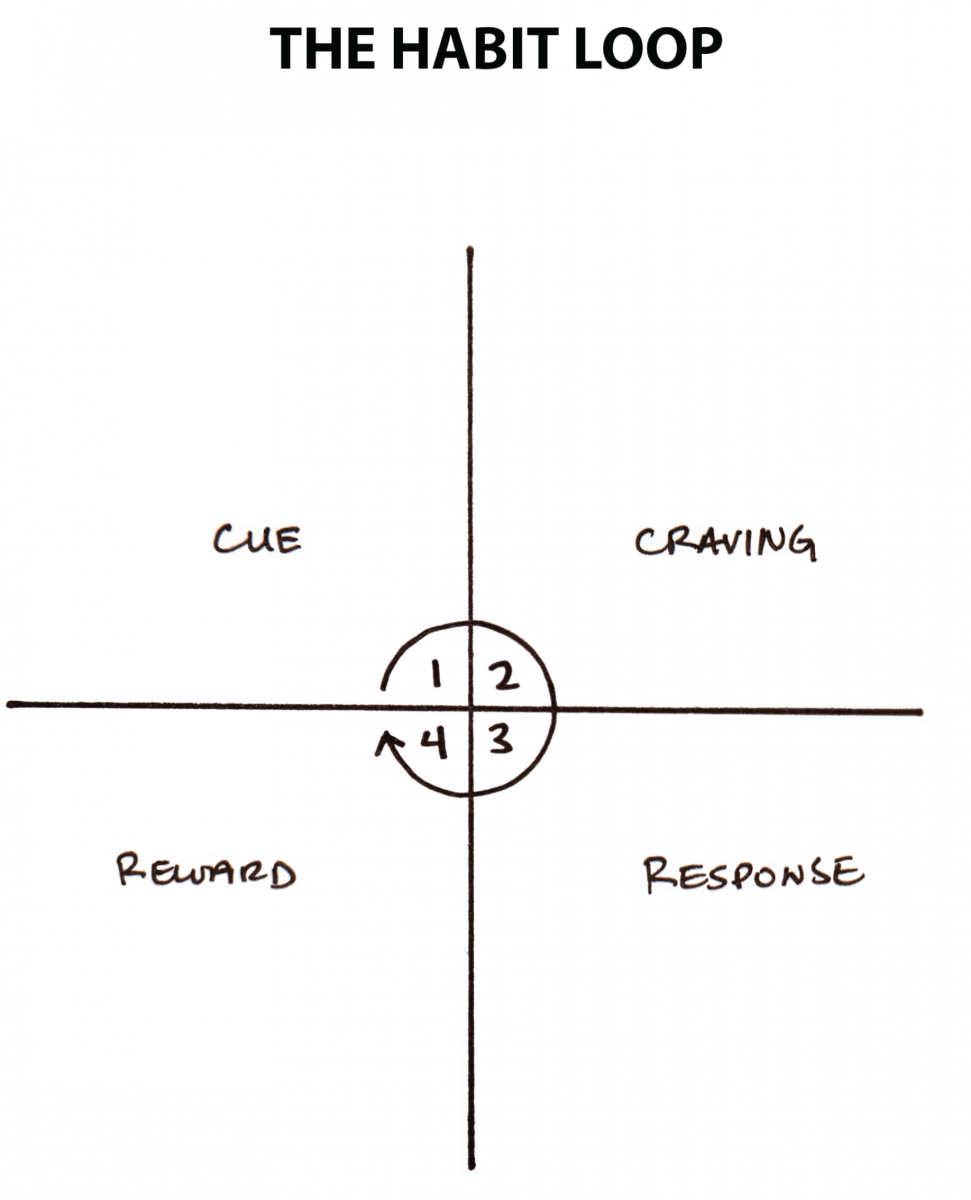
He outlines the laws of building habits:
- Make it Obvious: Cue and Designing Environment
- Make it Attractive: Craving
- Make it Easy: Response
- Make it Satisfying: Reward and Incentives
To this, I would add an emphasis on the “Easy” part.
To win the war of negotiation, you can create a value hierarchy system to ensure you default to higher-value activities whenever you’re negotiating with yourself. Of course, this requires setting specific conditions.
For example:
- “Spending time with your love one” is more valuable than “working out”. “Working out” is more valuable than “building/working”. “Building/working” is more valuable than “learning”. “Learning” is more valuable than “consuming”.
- Spend Time > Working Out > Building > Learning > Consuming.
By definition, to make things easier, you should always have a “template” of activities like working out, building, learning, and consuming. This way, when you feel pain, temptation, or stress and find yourself negotiating, you can quickly pivot to a higher-value activity.
Another point I want to emphasize is this:
Discipline is required to win the daily negotiation with yourself, consistently voting for the identity you want to become.
The keyword here is discipline. If you’re struggling with habit-building, chances are you’re also struggling with discipline. While discipline is like building a muscle—it requires practice and deliberate decisions over time—it’s often easier to rely on motivation in the early phases of habit formation. And remember, motivation stems from clarity.
A well-defined value system should also provide clear clarity about what you should do. This clarity becomes a pathway to building discipline, ultimately making it easier to transition into the identity you’re striving to create.